


























Feature pages don't rank for how buyers search. Use-case pages do. See why top B2B SaaS companies are switching and how to build your strategy in 2026.
TL;DR
- Use-case pages align with problem-focused buyer searches and can convert organic traffic more effectively than generic pages centered on product features.
- Target pages by role, industry, workflow, or pain point so each can address a distinct audience and earn relevant keyword clusters.
- Identify opportunities from sales calls, support tickets, interviews, surveys, and reviews, then prioritize search demand, commercial intent, and manageable competition.
- Choose formats suited to each problem, deliver value before presenting calls to action, and launch three to five pages before scaling.
Why your B2B SEO strategy is probably built around the wrong pages
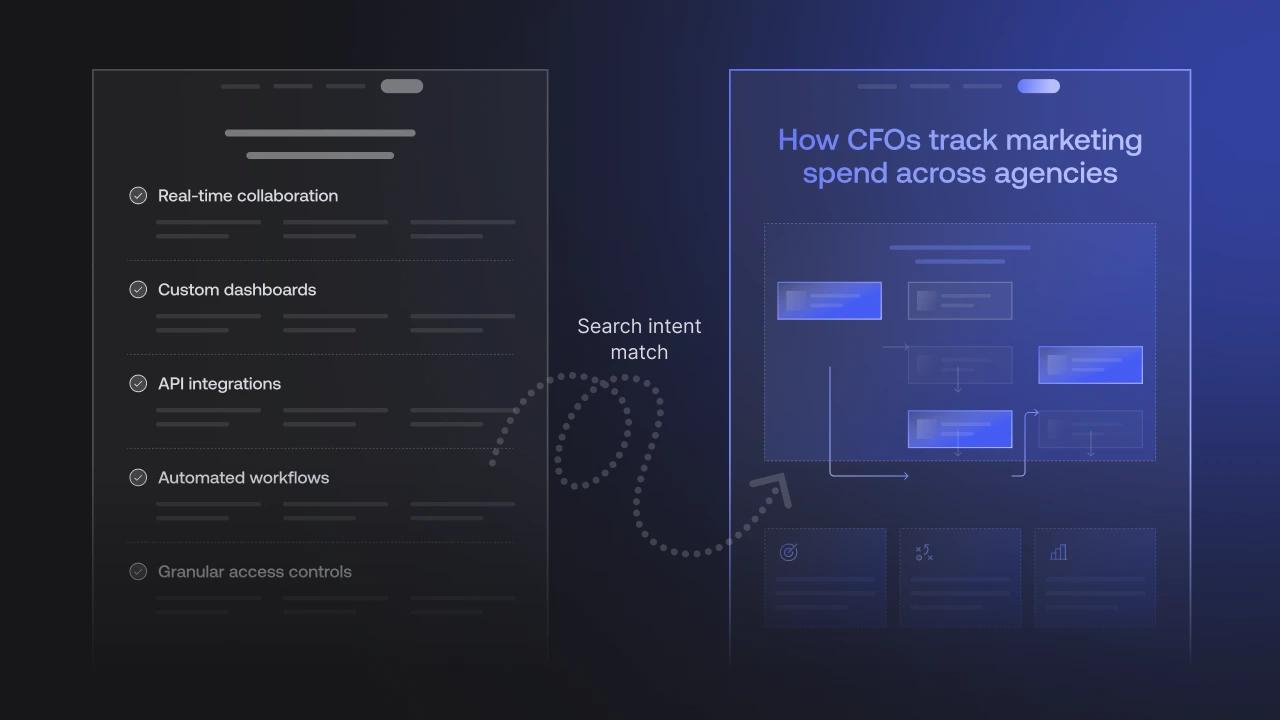
Most B2B SaaS websites have a features page. It lists every capability the product offers: real-time collaboration, custom dashboards, API integrations, automated workflows.
The problem is that nobody searches for "real-time collaboration tool with custom dashboards."They search for "how to track marketing spend across 12 agencies" or "best way to manage remote engineering sprints."
We see this gap across the SaaS websites we work on. The features page describes what the product does. But the buyers typing queries into Google want to know if you can solve their specific problem. That is what use-case pages do.
Ramp, Shopify, Canva, and Storylane report 3 to 5 times higher conversion rates from organic traffic than generic feature pages.
This guide breaks down why use-case pages outperform feature pages for B2B SaaS, how they fit into a broader B2B SEO strategy, and how to start building them.
What is a use-case page?
A use-case page is a dedicated landing page (or interactive tool) that addresses a specific problem your ideal customer faces, then shows how your product solves it in that exact context.
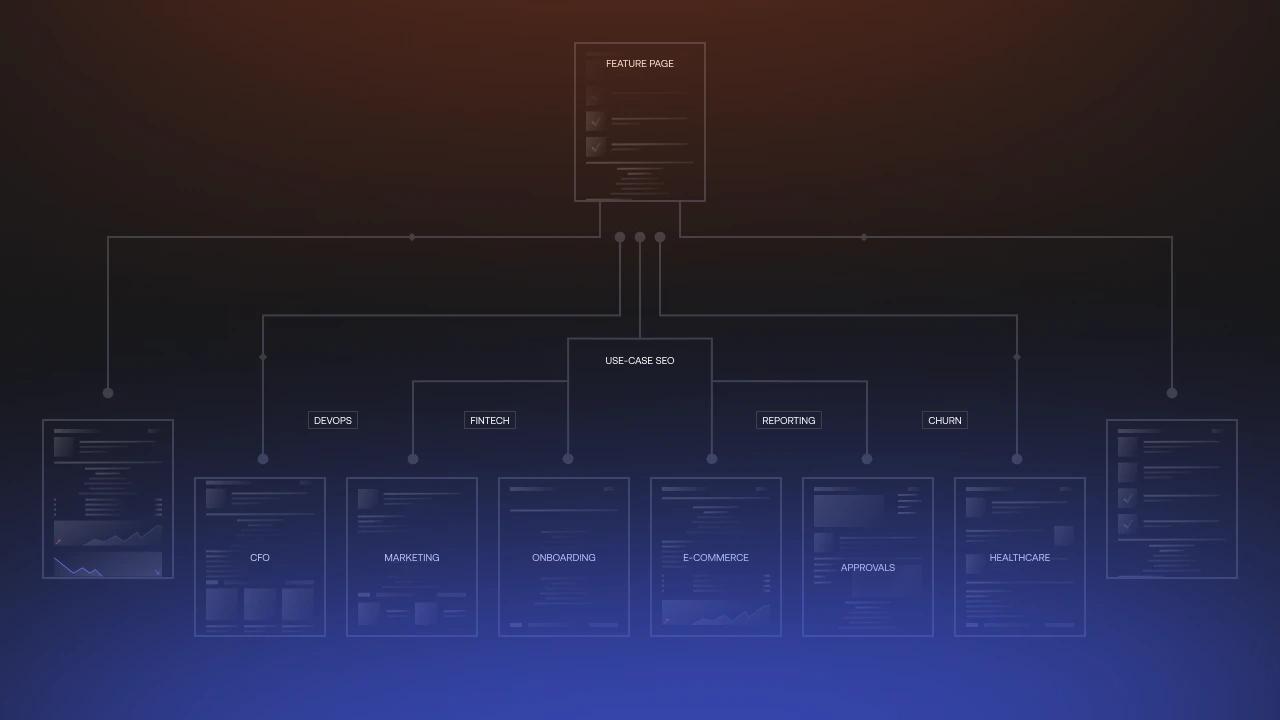
Instead of one generic features page that tries to speak to everyone, you create multiple targeted pages that speak directly to specific:
- Job roles (CFOs, marketing managers, DevOps leads)
- Industries (fintech, healthcare, e-commerce)
- Workflows (expense tracking, campaign reporting, onboarding)
- Pain points (reducing churn, cutting manual data entry, speeding up approvals)
The approach is sometimes called use-case-led SEO. It combines product marketing insight with keyword research to identify which use cases have genuine search demand and commercial intent. The result is a set of pages that each earn their own keyword cluster. This is the foundation of any scalable B2B SaaS SEO strategy.
Why use-case pages outperform feature pages: 5 advantages for B2B SaaS SEO
1. They match how B2B buyers search
B2B buyers search by problem. A CTO does not Google "real-time data pipeline tool." They Google "how to reduce latency in our analytics stack." A marketing director is not looking for "multi-channel attribution software." They are searching for "how to prove ROI on LinkedIn ads."
Feature pages are optimized for product terminology, the language your team uses internally. Use-case pages are optimized for buyer language, the words someone types when they have a problem and do not yet know your product exists.
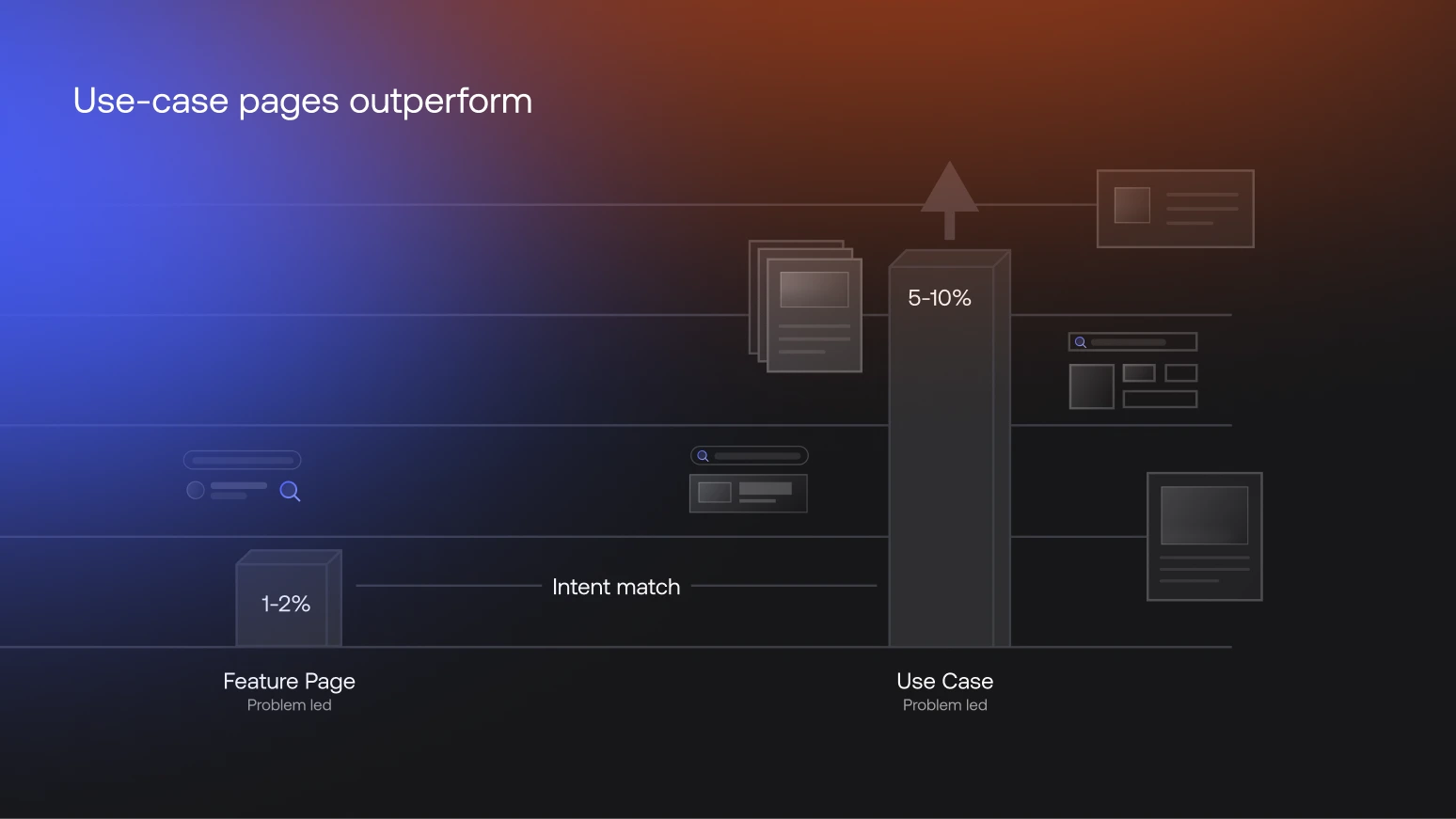
Bottom-of-funnel, problem-specific pages convert at 5 to 10%, compared to 1 to 2% for general organic landing pages. That is a 3 to 5 times conversion advantage that comes entirely from matching page content to search intent.
2. They are much harder to copy
A competitor can replicate your feature page overnight. Same layout, similar copy, comparable screenshots.
Use-case pages are harder to replicate. Interactive tools like calculators, generators, or assessments require a deep understanding of customer workflows, original data, and cross-functional work between marketing, product, and engineering.
3. They convert better because they deliver value before the CTA
Feature pages describe value. Use-case pages deliver it.
This matters for SaaS website design because the page structure needs to support this "value-first" flow. When someone lands on Ramp's burn rate calculator, they get their burn rate projection immediately. By the time they see a CTA, they have already used the product.
4. They scale your SaaS website into dozens of targeted pages
One feature page is one page. Use-case pages scale into dozens or hundreds of pages, each ranking for its own keyword cluster.
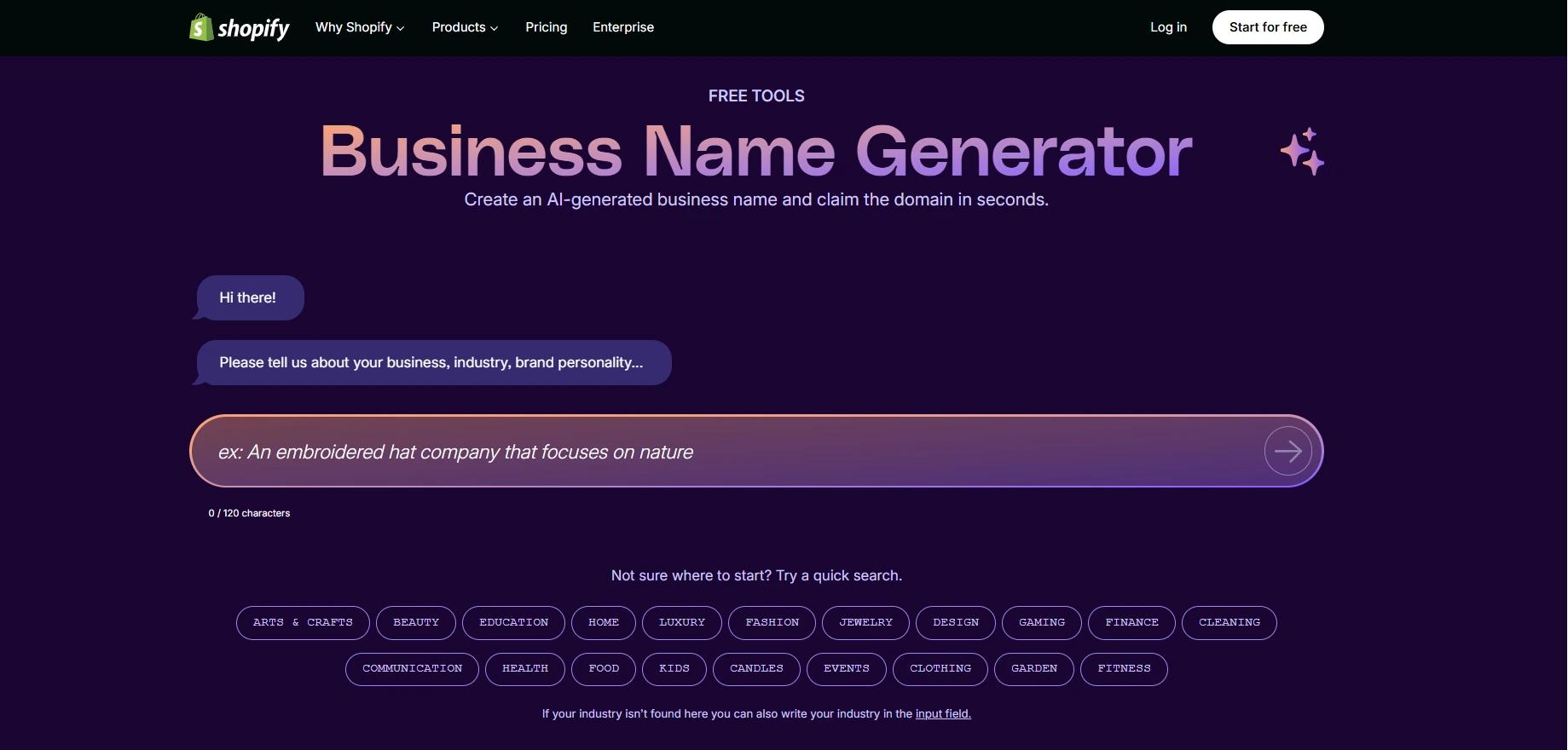
Shopify built their "business name generator" page for broad traffic, then created individual variants: "candle business name generator," "t-shirt business name generator," "restaurant name generator." Each variant captures niche long-tail search volume.
This is where use-case-led SEO and content strategy start to compound. Each new page adds another entry point, another keyword cluster, another reason for Google to treat your SaaS website as an authority on the topic.
5. They serve the full B2B buying committee
In B2B SaaS, you rarely sell to one person. A typical purchase involves 6 to 10 decision-makers, and each one is searching for different things.
Feature pages force everyone through the same door. Use-case pages create targeted entry points for each stakeholder:
Use-case pages in practice: Ramp, Canva, Storylane
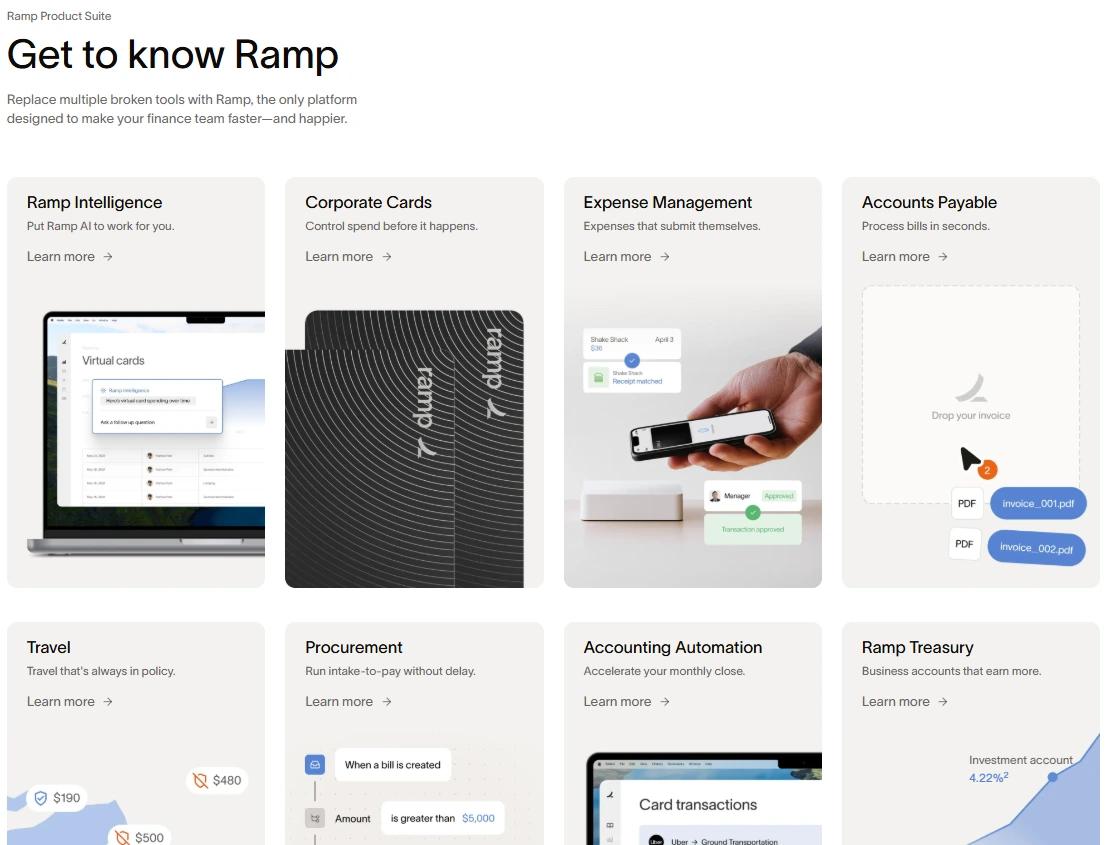
Ramp built a full suite of free tools: per diem calculators, burn rate estimators, expense policy generators, vendor search databases. Each tool is optimized for SEO with relevant keywords, FAQs, and clear CTAs leading into the product.
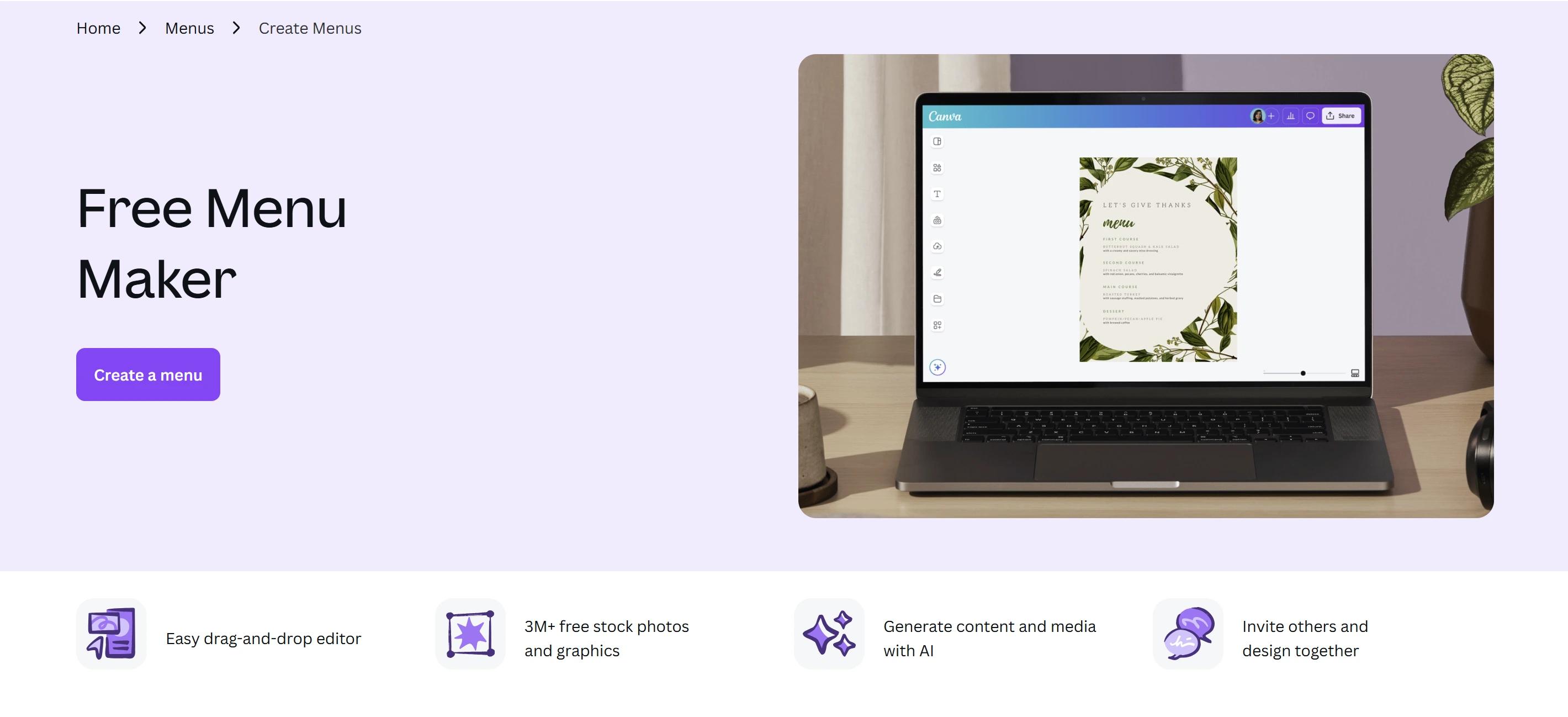
Canva created thousands of template pages targeting hyper-specific searches like "professional email header template" or "restaurant menu design." Result: over 50 million monthly organic visits, making template pages their most efficient acquisition channel.
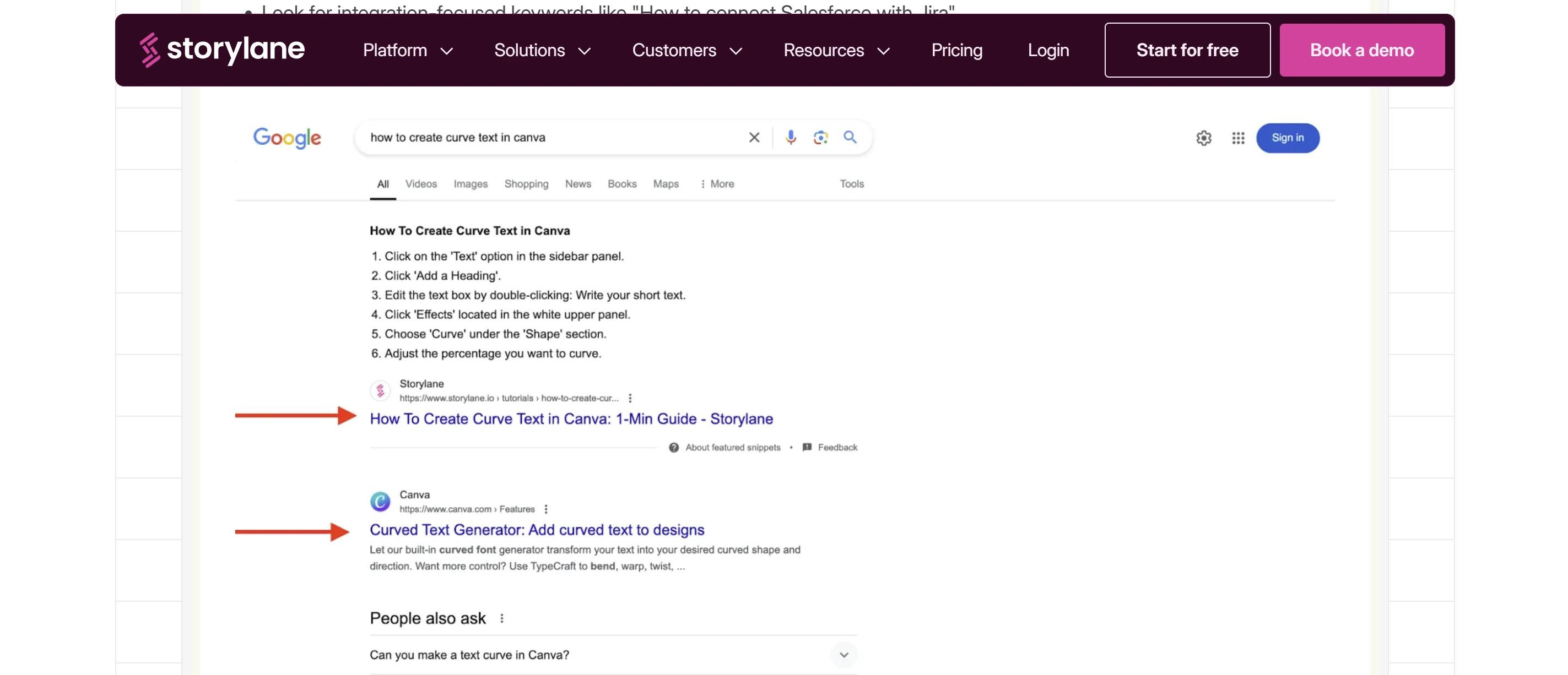
Storylane created 100+ dedicated pages answering "how to do X" questions, each targeting a real prospect problem with a specific keyword opportunity behind it.
Use-case pages vs feature pages: side by side
How to build a use-case page strategy for your B2B SaaS SEO
Step 1: Mine your customer conversations
The best use cases do not come from internal brainstorms. They come from the language your buyers use when describing their problems. Look at:
- Sales call transcripts: What problems do prospects describe in their own words?
- Support tickets: What workflows are customers trying to build?
- Customer interviews & surveys: What would they search for if they didn't know your product existed?
- G2/Capterra reviews: Both yours and competitors'. What use cases do customers highlight?
Step 2: Map use cases to search volume
Not every use case deserves a page. Cross-reference your list with keyword research:
- Which problems have significant monthly search volume?
- Where is keyword difficulty manageable for your domain authority?
- Which queries show commercial intent, not just informational?
Prioritize use cases at the intersection of high search volume, high commercial intent, and low competition.
Step 3: Choose the right format
Match format to the type of problem:
Start simple. A calculator with an embedded spreadsheet wrapped in a branded landing page can validate the concept before you invest in full Webflow development. We have seen clients test with a single well-built use-case page and get enough signal within a month to justify building ten more.
Step 4: Optimize your SaaS website for conversion
Every use-case page should have a B2B SEO strategy. This means:
- Clear value above the fold - the tool/content that answers the search query
- Strategic CTAs - positioned after value is delivered (not before)
- Social proof - relevant case studies or testimonials for that specific use case
- FAQ section - captures additional long-tail keywords and answers objections
- Internal links - connecting to related use cases, features, and product pages
The page needs to rank, but it also needs to convert the traffic it earns.
Step 5: Launch, measure, scale
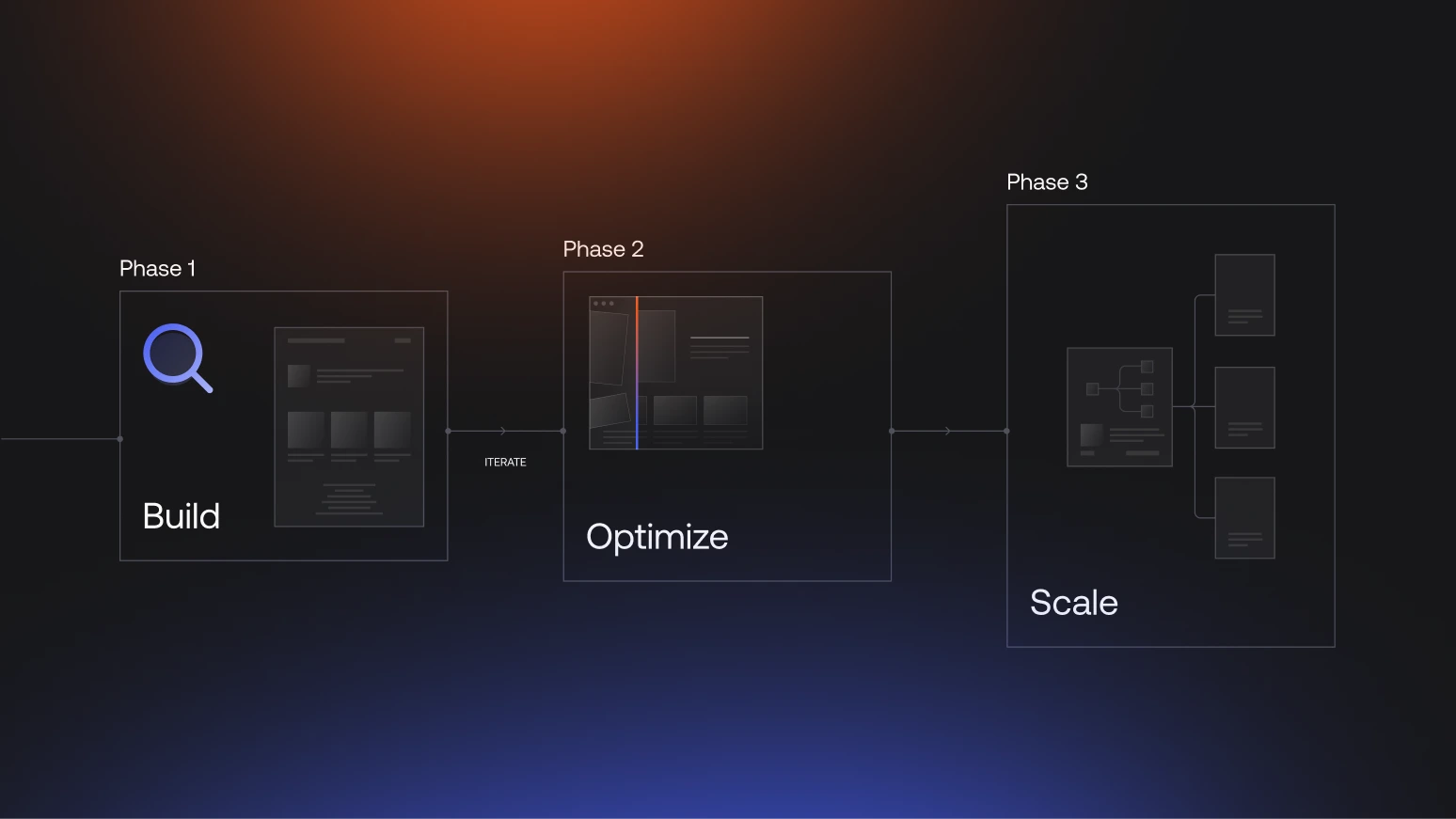
Launch your first 3 to 5 use-case pages. Track conversion rates, organic rankings, and time on page. Then expand into adjacent use cases and long-tail variants. A/B test CTAs and page structures, and update content quarterly to keep rankings fresh.
The compounding effect takes a few months to build. Once it does, each new page makes the whole set stronger because Google increasingly reads the site as an authority on the topic space.
Start building use-case pages that convert
Feature pages describe your product. Use-case pages solve your buyer's problem. In B2B SaaS, the second approach converts more pipeline.
Your features page is not going away. But if it is the only way organic visitors learn what you do, you are leaving pipeline on the table. Start with one use case. One page. One problem your buyer is actively searching for.
Book a free strategy session to find where your organic traffic is leaking, or browse our case studies to see how we build B2B websites that convert. Our SEO optimization services include use-case page strategy as part of every engagement.