























Most SaaS redesigns fail for a boring reason: the team treats the website like a brand refresh instead of a product surface. The homepage, pricing page, and demo flow are already doing work. A redesign should make that work clearer — not replace it with a new narrative that nobody tested.
Start with the jobs the site already does
Before opening Figma, list the outcomes the current site must keep:
- Qualified demo requests from ICP accounts
- Clear answer to “what does the product do?” in under ten seconds
- Trust signals that reduce sales-cycle friction
- A path from problem → product → proof → next step
If a redesign cannot map each of those jobs to a specific page section, it is not ready to design.
Separate story from structure
Structure is the sequence of sections and CTAs. Story is the language, proof, and visual hierarchy inside those sections. Change them on different timelines.
Keep the structure stable when conversion is healthy. Refresh the story when positioning, ICP, or product scope has shifted. Redesigning both at once makes it impossible to know what improved results — or broke them.
Use proof earlier than you think
B2B buyers do not need another abstract promise in the hero. They need a concrete reason to believe the product fits their stack, team size, and risk tolerance. Move one strong proof point above the fold: a named customer, a measurable outcome, or a short product walkthrough that shows the core workflow.
A simple redesign checklist
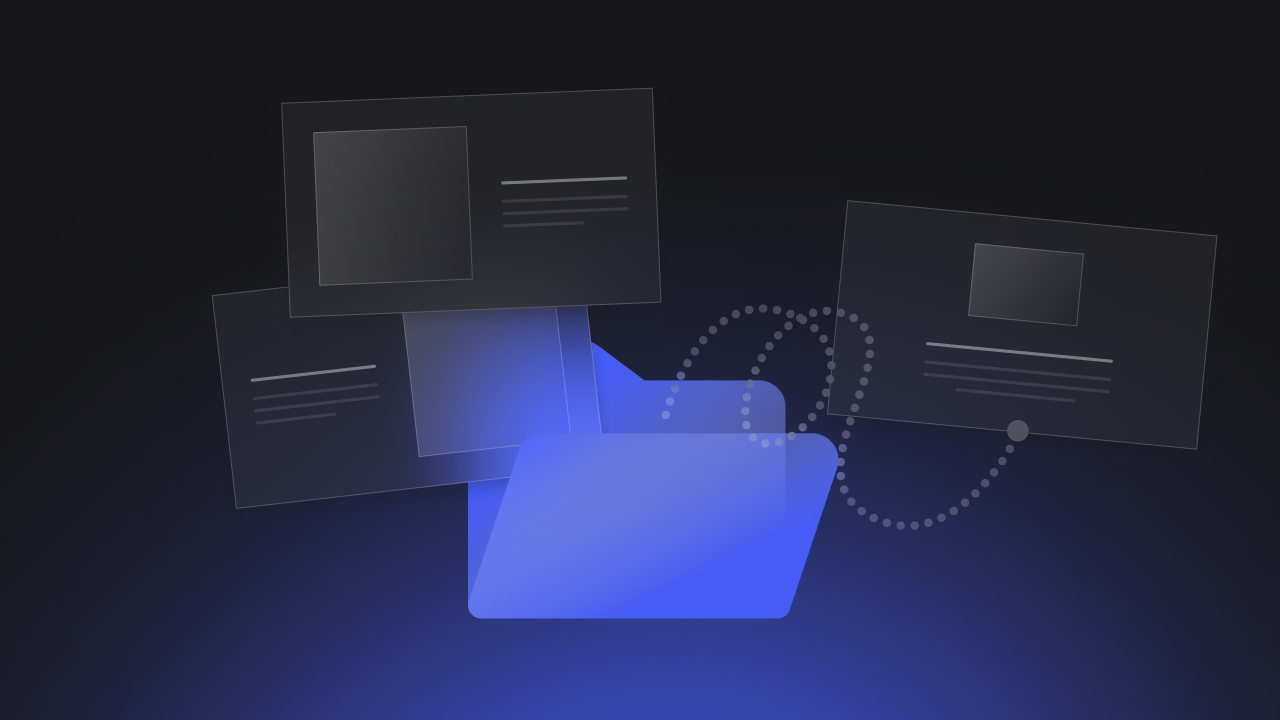
Run this checklist in kickoff, not at the end of QA:
- Which URLs must not regress in conversion?
- Which messages are still true after the last product launch?
- Which pages are sales-enablement assets, not just traffic pages?
- What can ship in phase one without blocking the rest?
Phase one should feel unfinished on purpose
Ship the highest-traffic templates first: homepage, product, pricing, and one proof page. Leave secondary pages on the old system until the new pattern is validated. A staged rollout is less glamorous than a big-bang launch — and much easier to defend when something dips.