


























Most teams put together something that covers logo usage, a colour palette and maybe a typeface or two. That is enough to keep the basics consistent in the early stages, but it rarely holds up when a new designer joins the team or when the growth team starts running paid campaigns.
TL;DR
- Effective SaaS brand guidelines extend beyond logos and colours to cover positioning, voice, messaging, visuals, websites, channels, content, and SEO.
- Define company descriptions, preferred category terms, and messaging pillars connecting buyer problems, product capabilities, and proof across key customer-facing materials.
- Provide practical rules and examples for page structures, product visuals, paid creative, social content, editorial tone, keywords, and product naming.
- Keep guidelines in a searchable, updateable system so teams can work independently while maintaining consistency as campaigns, content, and hiring scale.
- SaaS brand guidelines should cover brand positioning, tone of voice, messaging pillars, visual identity, website rules, channel usage, content and SEO standards.
- Most SaaS brand documents stop at logo, colour and typography. That is not enough when the team starts scaling campaigns, hiring writers or building new pages.
- Without guidelines, the website, product UI, sales decks, and ads gradually stop looking and sounding like the same company.
- The most useful brand guidelines include examples, rules for specific page types, and a format the team can update without starting from scratch.
SaaS brand guidelines that get used look different from the typical brand deck.
Most teams put together something that covers logo usage, a colour palette and maybe a typeface or two. That is enough to keep the basics consistent in the early stages, but it rarely holds up when a new designer joins the team or when the growth team starts running paid campaigns. The output starts to look slightly off. Over time, the website, product UI, sales decks, and marketing materials no longer look or sound like the same brand.
The problem is usually scope. A standard brand document was built to protect a logo. SaaS brand guidelines need to do more than that. They need to give designers, writers, product teams and sales the rules to build things that are consistent and useful for buyers.
What complete SaaS brand guidelines should include
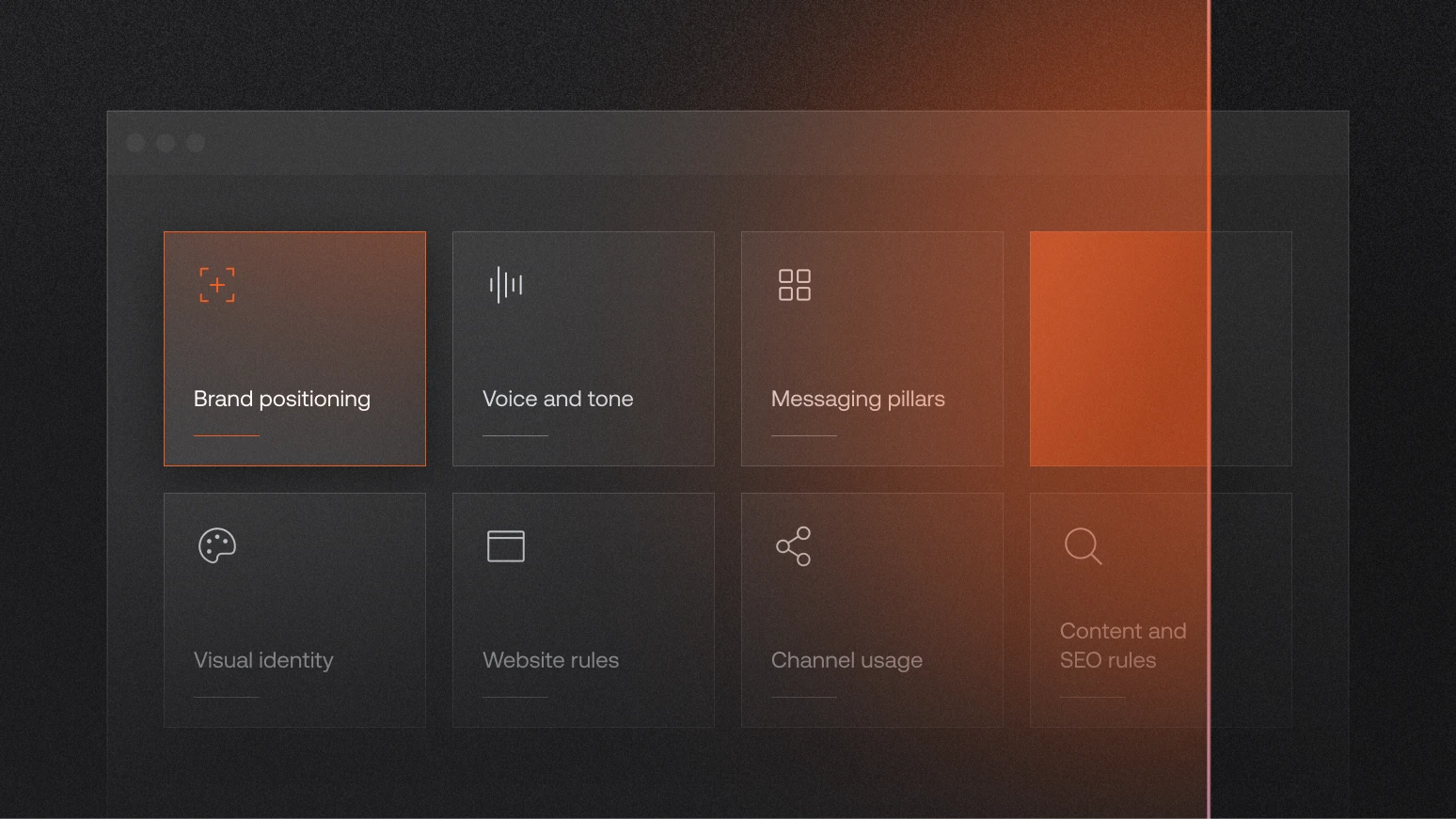
SaaS brand guidelines should include brand positioning, tone of voice, messaging pillars, visual identity rules, website design standards, channel usage rules, and content and SEO guidelines. Each section gives a different part of the team what they need to work independently without creating inconsistency.
1. Defining your SaaS brand positioning
Start with the most basic question: what is the company?
This sounds obvious until 5 people from the same team answer it 5 different ways. Positioning in brand guidelines is a decision about the words the whole company uses to describe itself, and the words it avoids.
A SaaS company needs to decide whether it is a platform, a workspace, an infrastructure layer, or an automation product. These words shape how buyers understand the company and how search engines categorise the pages. Choosing the wrong category term affects every piece of content the team creates.
Include in this section:
- One clear company description
- A short version for website hero copy
- A longer version for sales decks and PR
- Category terms to use
- Category terms to avoid
- Competitor language the team should not copy
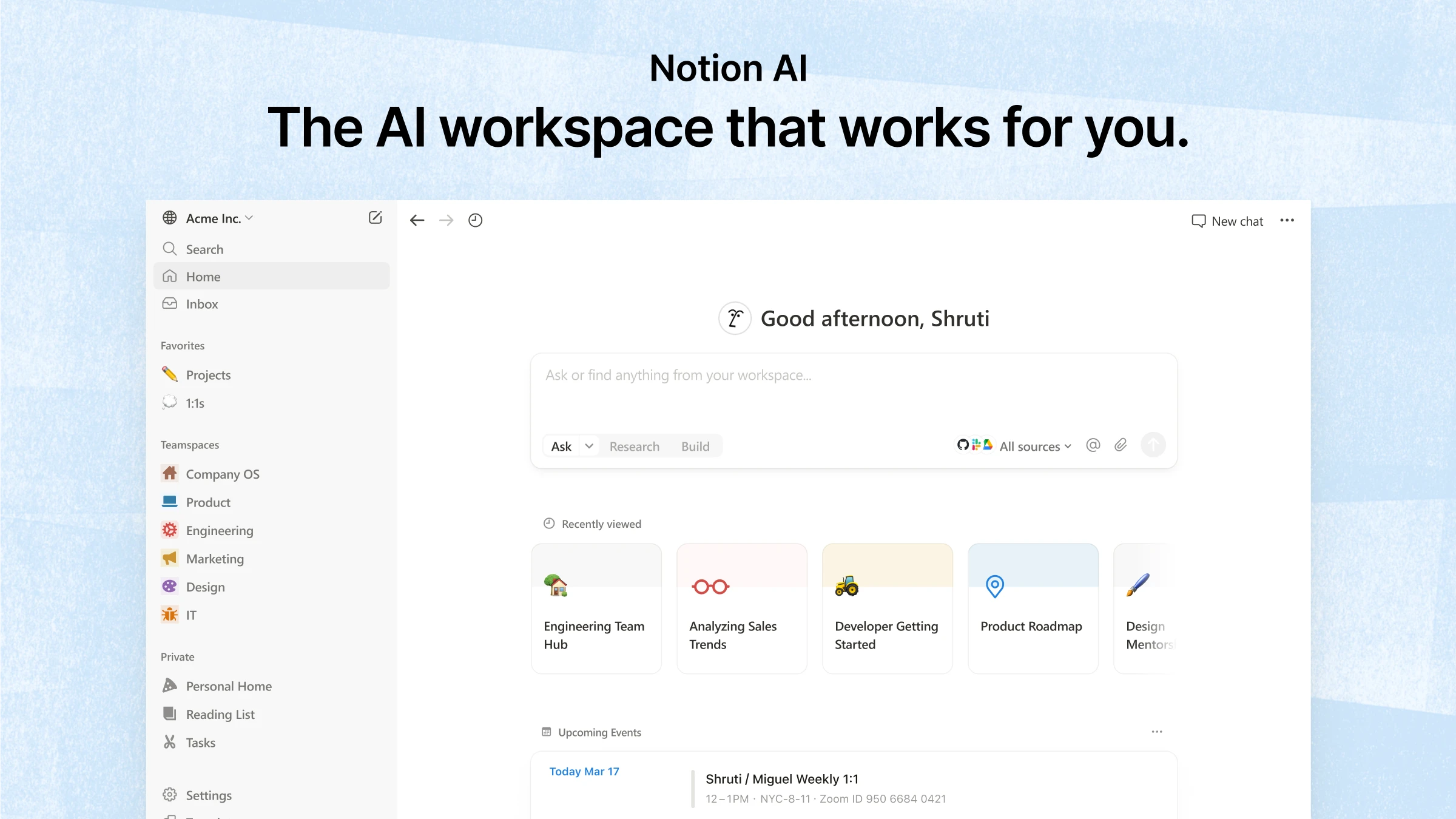
Notion AI - "The AI workspace that works for you"
Notice what they didn't write - notes app, project management tool, docs platform. Just one word - workspace - that covers everything the product does without listing any of it. The AI qualifier came later, once it was actually part of the core product.
Without this section, every new page becomes a positioning debate. The writer asks whether to say "platform" or "solution." The designer asks whether the headline should lead with the problem or the product.
2. Tone of voice guidelines
Tone of voice is where many brand guidelines get vague. "Friendly, bold, and professional" is not a tone system. A writer or designer cannot make a decision from that. They need rules that tell them what the brand sounds like in a specific situation: when it explains a technical feature, when it handles a pricing objection, when it writes a CTA for a cold audience.
Include in this section:
- Voice principles, each with an explanation and an example
- Words and phrases to use
- Words and phrases to avoid
- Before and after examples for common writing situations
- CTA examples at different levels of commitment
- Rules for headings, body copy, captions, form labels, and microcopy
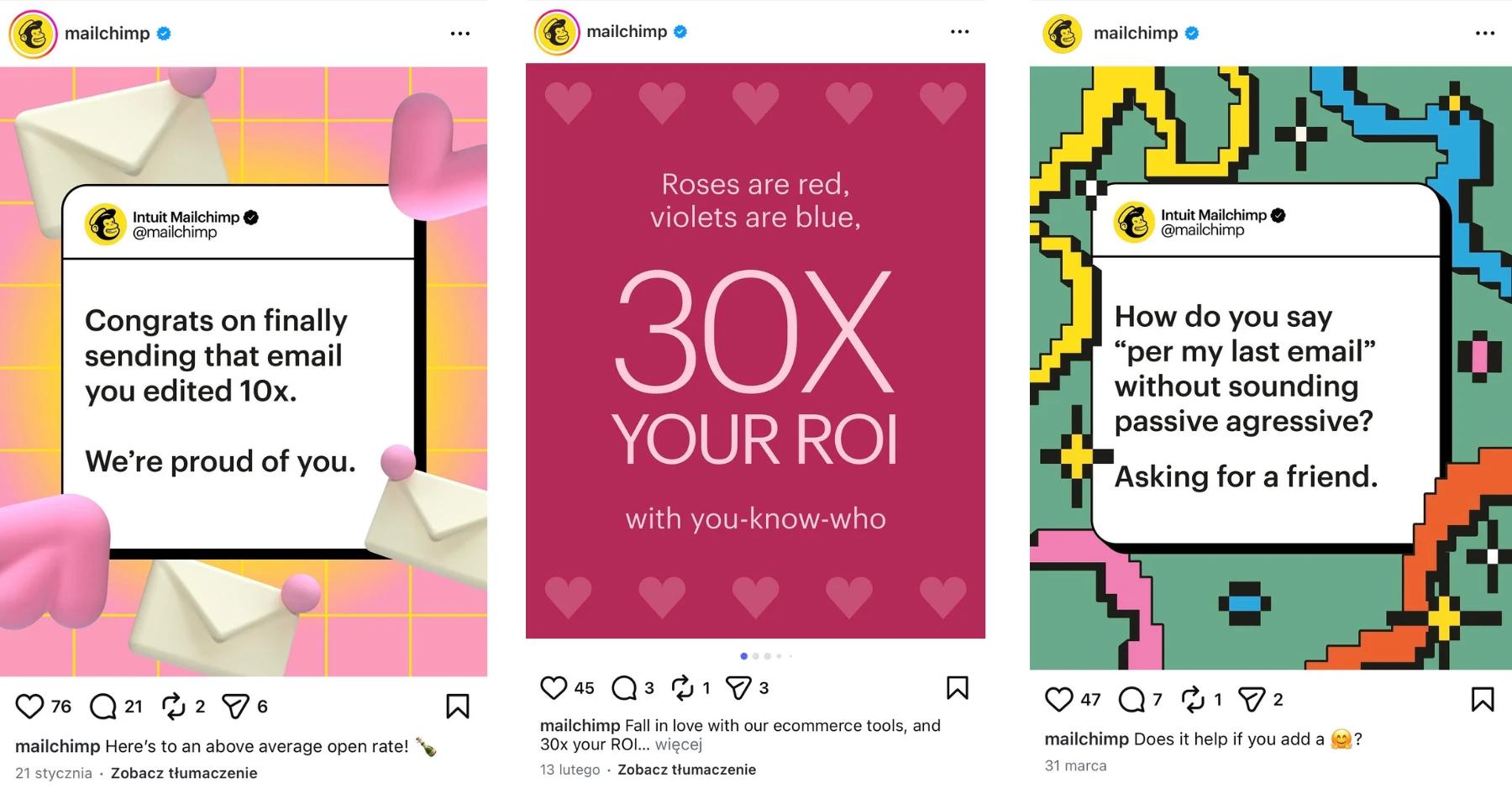
Mailchimp is a good reference point. Their voice is clear and helpful across the website, and slightly more playful on social. Same brand, different register. Good guidelines define how the brand sounds and how much the tone can flex depending on context.
3. Messaging pillars every SaaS brand needs to define
Messaging pillars define what the brand needs to say repeatedly across every channel. For SaaS, they should connect directly to buyer pain, product capability, and proof, not to internal values the buyer never asked about.
A weak messaging pillar says "innovation." That word does not help anyone write a page. A stronger pillar says "teams can understand customer data without waiting for analysts." That gives a writer, designer, and sales rep something specific to work from.
Include 3 to 5 pillars. For each one, write example copy that shows what the pillar looks like on a homepage, a product page, and a sales deck. This helps prevent a common SaaS problem where the core message gets lost across pages.
4. Visual identity beyond logo and colour
For a SaaS website, the visual system should do more than keep pages on brand. It should help buyers understand the product, trust the value, and move through the site faster.
Include in this section:
- Logo usage and lockup variations
- Colour palette with accessibility ratings, not just HEX values
- Typography hierarchy: scale, weight, spacing, and web fallbacks
- Grid and layout rules
- Icon and illustration style
- Motion principles: easing, timing, and what should not move
- Rules for charts, diagrams, and product UI visuals
- Examples of correct and incorrect usage
The rules for product UI visuals matter more for SaaS than for most other industries. Screenshots, product illustrations or demo recordings appear across the website, ads, and sales decks. Without guidelines, each team member styles them differently. The result is a brand that looks inconsistent at exactly the moments when the product is most visible.
5. SaaS website design rules
The website is the most visible expression of a SaaS brand, and where brand systems break first. New landing pages, campaign pages, comparison pages, and pricing pages get created quickly, often by different people. Without guidelines for how those pages should work, every new page becomes a small design experiment.
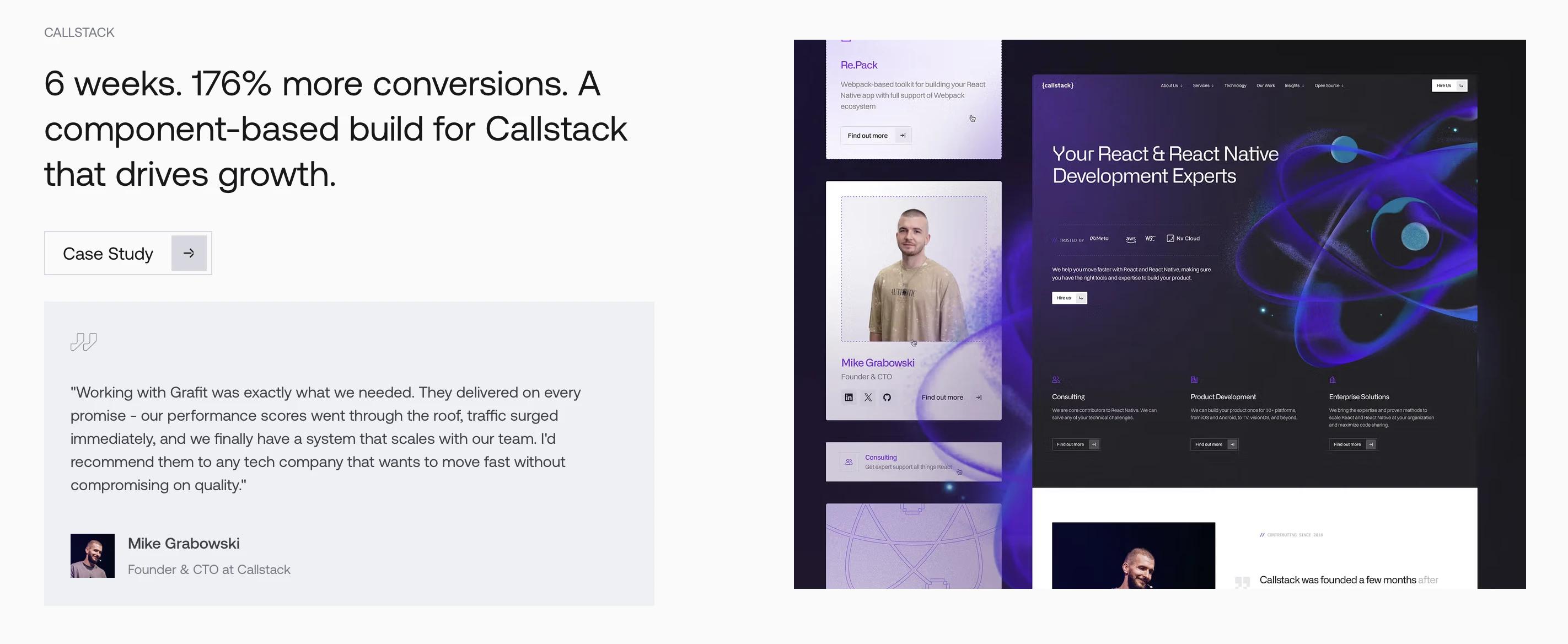
For example - place proof next to the claim it supports so that the visitor does not need to go looking for evidence before they decide.
This is where brand guidelines connect directly with conversion. A SaaS website should help visitors move from problem to proof to next step without friction. Page structure rules keep that consistent across every page.
6. Channel usage across social, paid and product
A channel usage section gives each team the rules to work independently without creating inconsistency.
- Social templates: fixed elements, flexible elements, crop-safe zones by platform
- Product UI: how the SaaS design system relates to the marketing brand and where they should not overlap
- Paid creative: whether performance ads follow the same visual rules as brand content or operate on a separate system with its own guidelines
- Physical and event materials: what the brand looks like at conferences, in pitch decks and on printed materials
This section is often skipped in early-stage SaaS brand guidelines. It becomes urgent when the paid team starts producing ads that look like a different company or when event materials arrive at the booth with the wrong logo version.
7. Content and SEO rules for consistent publishing
Brand guidelines should also keep content consistent. SaaS companies publish across blog posts, product pages, ads or newsletters. Without shared rules, content becomes uneven. Some pages sound considered and specific, others read like keyword lists dressed up as copy.
Include in this section:
- Editorial tone and register by content type
- Heading rules: what H1, H2, and H3 should do on each page type
- Keyword usage rules: how to include primary and secondary keywords without breaking the reading experience
- Product naming rules: how to refer to features, plans, and integrations consistently
- Rules for writing for AI search and featured snippets
- How to structure content for both readers and search
Consistent messaging makes the brand easier to remember. Consistent page structure makes it easier to find. For SaaS companies publishing regularly, content and SEO optimization rules belong in the brand guidelines.
What good SaaS brand identity looks like in practice
The most useful brand guidelines show the work- rules alone are not enough. The team needs to see what good looks like in practice.
Include examples of:
- A homepage hero headline and subhead
- A LinkedIn post at different lengths
- A case study opening paragraph
- A feature page subheading
- A CTA at high and low commitment levels
- An ad headline
Examples reduce subjective feedback. Instead of "this doesn't feel on brand," the team can point to a rule and compare it to an example.
Format: document or living system
A PDF covers the basics but has limited practical use. Once shared, it tends not to get updated. When someone has a specific question six months later, they cannot search it. The guidelines become something people read once when they join and gradually stop using.
Teams that maintain brand guidelines in a tool like Zeroheight, Supernova, or a well-structured Notion workspace find them easier to update and search.
What happens without SaaS brand guidelines
Most SaaS brand inconsistency builds up slowly. A new content writer
The earlier a SaaS team creates brand guidelines, the less cleanup there is to do later. Most teams build them too late, after the inconsistency is already visible across channels.
SaaS brand guidelines checklist
Before calling the guidelines finished, check whether they answer these questions:
- [ ] Can a new marketer explain the company in one sentence using the positioning section?
- [ ] Can a designer create a new landing page without guessing the layout rules?
- [ ] Can a writer understand the tone without asking for examples?
- [ ] Can the sales team use the same positioning language in decks and calls?
- [ ] Can product screenshots be created consistently across different team members?
- [ ] Can new pages support SEO without losing the brand voice?
- [ ] Can the team see examples of correct and incorrect execution side by side?
If the answer to any of these is no, the guidelines are not finished.
Building SaaS brand guidelines for your team?
If your website, product and marketing materials have started to drift, brand guidelines are what keep the output consistent without requiring a design review on every decision.
At Grafit, brand guidelines are part of how we approach SaaS website design and content strategy. We build them to be used and updated regularly.